ASAS Built

Uncategorized

Uncategorized

MEP Works (Mechanical, Electrical, and Plumbing)

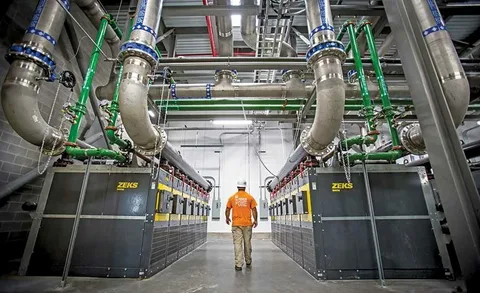
MEP works represent the mechanical, electrical, and plumbing systems that make buildings functional, comfortable, and safe. These systems are the “nervous system” of any structure, providing heating, cooling, ventilation, lighting, power, water supply, drainage, and fire protection. Mechanical systems include HVAC (heating, ventilation, and air conditioning) which controls indoor temperature, humidity, and air quality. This involves chillers, boilers, air handling units, ductwork, fans, and thermostats. Electrical systems cover power distribution from the main utility connection to circuit breakers, wiring, outlets, lighting fixtures, emergency backup generators, uninterruptible power supplies, and low-voltage systems such as data networks, security cameras, and fire alarms. Plumbing systems include water supply pipes bringing potable water to sinks, showers, toilets, and appliances, as well as drainage pipes removing wastewater. Plumbing also covers gas piping for stoves or water heaters, and stormwater drainage. MEP design requires careful coordination because these systems often share limited space in ceilings, walls, and shafts. Conflicts between ductwork, pipes, and electrical conduits must be resolved before installation. Modern MEP works increasingly incorporate energy efficiency through LED lighting, smart controls, variable frequency drives, and water-saving fixtures. Building Information Modeling (BIM) is commonly used to visualize and coordinate MEP systems in 3D. Companies like ASAS Built provide MEP works that comply with building codes, safety standards, and client specifications, ensuring that buildings are comfortable, efficient, and safe.
Uncategorized

Industrial Support Services

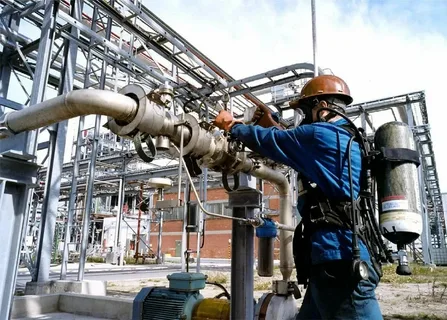
Industrial support services encompass a wide range of construction, engineering, and maintenance activities designed to assist industrial facilities such as factories, manufacturing plants, refineries, warehouses, power plants, and distribution centers. These services ensure that industrial operations run safely, efficiently, and with minimal downtime. Industrial support includes the construction of new industrial buildings, expansion of existing facilities, installation of heavy machinery and equipment, structural steel fabrication and erection, concrete works, piping systems, and industrial flooring. Maintenance services are also critical, including preventive maintenance, predictive maintenance, emergency repairs, equipment overhauls, and replacement of worn components. Other services include safety system installation (fire suppression, gas detection, emergency shutdowns), industrial cleaning, scaffolding, insulation, and corrosion protection. Industrial support projects often involve working in active production environments where safety protocols are extremely strict due to the presence of hazardous materials, high temperatures, heavy machinery, or pressurized systems. Companies providing industrial support must comply with occupational safety regulations such as OSHA standards and industry-specific requirements. Skilled workers including engineers, welders, pipefitters, electricians, and safety officers collaborate to deliver these services. Companies like ASAS Built provide reliable industrial support that helps clients maintain continuous production, extend equipment life, and improve operational efficiency.

Uncategorized

Infrastructure Works

Infrastructure works refer to the large-scale systems and facilities that support economic activity and quality of life in communities. This includes transportation networks (roads, highways, bridges, tunnels, railways, airports, and ports), water supply systems (treatment plants, pumping stations, pipelines), wastewater and sewage systems (collection networks, treatment facilities), stormwater drainage, electrical grids, telecommunications networks, and public facilities such as schools, hospitals, and parks. Infrastructure projects are typically long-term investments that require significant planning, funding, and coordination between government agencies, private companies, and engineering firms. The design and construction of infrastructure must account for current needs as well as future growth, incorporating flexibility for expansion and technological upgrades. Sustainability is increasingly important, with green infrastructure practices such as permeable pavements, rain gardens, and energy-efficient systems reducing environmental impact. Infrastructure works also involve rehabilitation and maintenance of aging systems to prevent failures that could disrupt daily life. Safety and resilience are critical, especially in regions prone to natural disasters like floods, earthquakes, or storms. Companies like ASAS Built specialize in delivering infrastructure works that meet international standards, supporting urban development and economic progress while enhancing public safety and environmental stewardship.

Uncategorized

Site Development

Site development is the comprehensive process of preparing a piece of land for construction, transforming raw or undeveloped property into a ready-to-build site. This involves a wide range of activities that go beyond basic earthworks, including land clearing, demolition of existing structures, utility installation, drainage system construction, road building, and landscaping. The goal of site development is to create a functional, safe, and accessible environment where buildings and infrastructure can be constructed efficiently. The process typically begins with site assessment and environmental studies to identify potential challenges such as contaminated soil, protected species, or flood risks. Next comes surveying and marking boundaries, followed by clearing vegetation, rocks, and debris. Underground utilities such as water supply lines, sewer systems, storm drains, gas lines, and electrical conduits are installed before above-ground construction begins. Access roads, parking areas, sidewalks, and lighting are also part of site development. Erosion control measures such as silt fences and sediment basins protect nearby water bodies. Site development requires coordination between civil engineers, architects, utility companies, and local authorities to ensure compliance with zoning laws, building codes, and environmental regulations. Companies like ASAS Built deliver comprehensive site development services that prepare land for residential, commercial, or industrial projects, ensuring a smooth transition to vertical construction.

Uncategorized

Earthworks

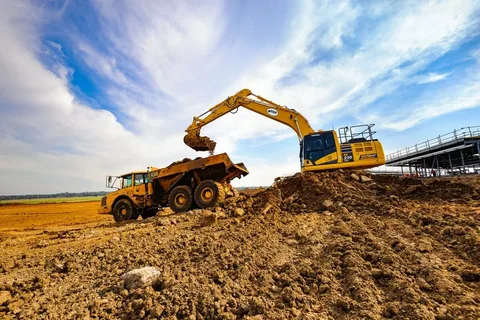
Earthworks refer to the process of moving, shaping, and compacting soil or rock to create a stable foundation for construction projects. This is one of the first and most critical stages in any development, as it prepares the land for subsequent building activities. Earthworks include excavation, grading, cutting, filling, leveling, and compaction. Excavation involves removing soil or rock from a site to create space for foundations, basements, or underground utilities. Grading ensures the ground surface is leveled to the correct slope for drainage and structural support. Cutting removes high areas while filling adds material to low areas to achieve the desired elevation. Compaction increases soil density, reducing the risk of future settling or movement that could damage structures. Earthworks require heavy machinery such as bulldozers, excavators, graders, scrapers, and compactors. Skilled operators and engineers work together to ensure that the earthworks are executed according to geotechnical reports and engineering drawings. Proper earthworks prevent problems like soil erosion, water pooling, and foundation failure. Environmental considerations are also important, including dust control, sediment management, and protecting nearby ecosystems. Companies like ASAS Built perform earthworks safely and efficiently, laying the groundwork for successful construction projects.

Uncategorized

Civil Construction

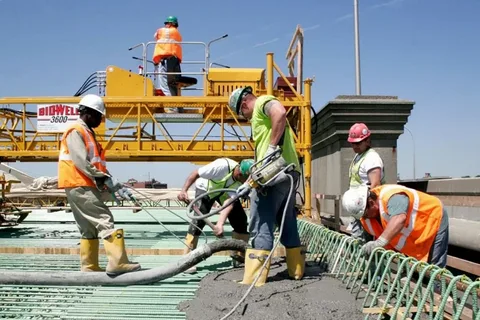
Civil construction is a fundamental branch of engineering that focuses on the design, execution, and maintenance of infrastructure projects essential for modern society. This field encompasses the construction of buildings, bridges, roads, tunnels, dams, airports, and other large-scale structures that serve public and private needs. Civil construction projects require careful planning, precise execution, and strict adherence to safety and quality standards. The process begins with site investigation and soil testing, followed by design and engineering calculations to ensure structural integrity. During construction, civil engineers and contractors coordinate various activities including excavation, foundation work, concrete pouring, steel reinforcement, and finishing. Project management plays a critical role in civil construction, ensuring that timelines, budgets, and quality benchmarks are met. Modern civil construction also emphasizes sustainability by using eco-friendly materials, reducing waste, and minimizing environmental impact. Advanced technologies such as Building Information Modeling (BIM), drones, and automated machinery are increasingly used to improve accuracy and efficiency. Safety is paramount in civil construction, with rigorous protocols to protect workers and the public. From residential buildings to massive infrastructure projects, civil construction forms the backbone of economic development and urban growth. Companies like ASAS Built specialize in delivering civil construction projects that meet international standards while ensuring client satisfaction and long-term durability.

Scroll to Top